The best ActiveCampaign alternatives in 2026 include NextCRM, HubSpot, Brevo, MailerLite, Klaviyo, Omnisend, GetResponse, Mailchimp, and HighLevel. The right choice depends on your business model, automation requirements, data ownership preferences, and long-term pricing strategy. For WordPress businesses, NextCRM stands out because it combines CRM, email marketing, automation, behavioral tracking, and customer intelligence directly inside WordPress without relying on a separate SaaS platform.
Email marketing continues to be one of the highest-performing digital marketing channels available. Industry research shows businesses generate an average return of approximately $36–$45 for every $1 spent on email marketing. At the same time, the global marketing automation software market is projected to grow from $8.16 billion in 2026 to $14.98 billion by 2031, highlighting the increasing demand for automation, personalization, and customer journey optimization.
As marketing technology evolves, businesses are no longer choosing platforms based solely on features. They are evaluating ownership, scalability, behavioral intelligence, AI capabilities, and infrastructure control.
This guide compares the best ActiveCampaign alternatives using a practical framework designed to help businesses make smarter long-term decisions.
Why Businesses Are Looking for ActiveCampaign Alternatives
Businesses typically move away from ActiveCampaign because of pricing scalability concerns, automation complexity, and growing demands for customer data ownership.
ActiveCampaign remains one of the most capable marketing automation platforms available. Its automation builder, CRM features, and extensive integration ecosystem have made it a popular choice for years.
However, many businesses encounter challenges as they grow.
Contact-Based Pricing Gets Expensive
Most marketing automation platforms charge based on subscriber volume.
As databases grow, software costs often increase regardless of whether those contacts remain engaged.
For example, a business with 50,000 subscribers may have only 10,000 active contacts who regularly open emails or purchase products.
Despite this, pricing is usually calculated using the entire database.
This creates a disconnect between software costs and marketing performance.
Automation Complexity Increases Over Time
Advanced automation is one of ActiveCampaign’s strongest features.
It can also become one of its biggest challenges.
As businesses scale, they often accumulate:
- Multiple automation workflows
- Complex segmentation rules
- Conditional logic branches
- Tags and custom fields
- Lead scoring systems
Managing these systems eventually requires significant oversight and maintenance.
Businesses Want More Control Over Customer Data
Customer data has become one of the most valuable business assets.
Modern organizations increasingly prioritize:
- Data ownership
- Privacy compliance
- Infrastructure flexibility
- Vendor independence
This trend is especially visible among WordPress businesses, ecommerce stores, membership sites, and LMS platforms.
Behavioral Marketing Is Becoming More Important
Traditional email analytics focus heavily on opens and clicks.
Modern marketing teams want deeper customer insights.
They want to understand:
- Which products customers viewed
- Which pages generated interest
- Which actions indicate purchase intent
- Which customer journeys drive revenue
This shift is fundamentally changing how businesses evaluate marketing automation platforms.
The Hidden Cost of Contact-Based Pricing
Contact-based pricing can become one of the most expensive parts of a growing marketing operation.
Most businesses initially choose software based on monthly subscription costs.
What they often overlook is how pricing changes as their customer database grows.
What Is Database Inflation Cost™?
Database Inflation Cost™ occurs when software expenses increase because contact volume grows faster than customer engagement.
Consider a business with:
- 50,000 contacts
- 12,000 engaged subscribers
- 38,000 inactive records
Most platforms still charge based on the full 50,000 contacts.
This means businesses often pay for:
- Dormant leads
- Unengaged subscribers
- Historical records
- Duplicate contacts
- Inactive customers
In our experience reviewing marketing automation systems, businesses rarely switch platforms because of missing features.
They switch because pricing, operational complexity, and ownership eventually become more important than feature checklists.
Why Database Inflation Cost™ Matters
Database Inflation Cost™ becomes increasingly significant for:
- WooCommerce stores
- Membership websites
- LMS businesses
- Publishers
- Content-heavy websites
Organizations with rapidly growing databases often benefit from platforms that provide more predictable long-term pricing models.
This concept becomes especially important when evaluating ActiveCampaign alternatives.
How We Evaluated These ActiveCampaign Alternatives
Most comparison articles focus entirely on feature lists.
Feature lists rarely tell the full story.
To create a more practical evaluation system, we developed the CARE Framework™.
C = Cost Scalability
Cost Scalability measures how pricing evolves as businesses grow.
This includes:
- Contact-based pricing
- Usage-based pricing
- License-based pricing
- Infrastructure costs
A platform may appear affordable initially, but become expensive at scale.
A = Automation Depth
Automation Depth measures how sophisticated customer journeys can become.
Key considerations include:
- Workflow flexibility
- Conditional logic
- Behavioral triggers
- Dynamic segmentation
- Multi-step automations
R = Reach Channels
Reach Channels evaluates communication capabilities beyond email.
Examples include:
- Email marketing
- SMS marketing
- Push notifications
- Popups
- Multi-channel automations
E = Ecosystem Control
Ecosystem Control measures ownership and platform flexibility.
This includes:
- Data ownership
- WordPress compatibility
- WooCommerce integrations
- CRM functionality
- Infrastructure sovereignty
The CARE Framework™ helps businesses evaluate platforms based on long-term value instead of feature quantity.
Quick Comparison Table of the Best ActiveCampaign Alternatives
| Platform | Best For | Starting Price* | WordPress Native | CRM | Automation | Data Ownership |
| NextCRM | WordPress Businesses | License-Based | Yes | Yes | Advanced | Full Ownership |
| HubSpot | Enterprise CRM | $20/month+ | No | Yes | Advanced | Vendor Managed |
| Brevo | Budget-Friendly Growth | $9/month+ | No | Yes | Strong | Vendor Managed |
| MailerLite | Creators & Small Businesses | $10/month+ | No | Limited | Moderate | Vendor Managed |
| Klaviyo | Ecommerce Brands | $20/month+ | No | Limited | Advanced | Vendor Managed |
| Omnisend | Ecommerce Automation | $16/month+ | No | Limited | Strong | Vendor Managed |
| GetResponse | All-in-One Marketing | $19/month+ | No | Moderate | Strong | Vendor Managed |
| Mailchimp | Beginners | $13/month+ | No | Limited | Moderate | Vendor Managed |
| HighLevel | Agencies | $97/month+ | No | Yes | Advanced | Vendor Managed |
*Pricing reflects publicly available starting plans at the time of writing and may change.
What This Comparison Reveals
Most ActiveCampaign alternatives fall into one of two categories:
- Traditional SaaS marketing platforms such as HubSpot, Brevo, Klaviyo, and Mailchimp.
- WordPress-native marketing platforms such as NextCRM.
The biggest difference is not automation features. It’s how customer data is managed.
Most SaaS platforms store customer information inside vendor-controlled infrastructure and charge based on contact growth. WordPress-native platforms allow businesses to keep customer data inside their own ecosystem, creating greater ownership, flexibility, and long-term cost predictability.
This distinction becomes increasingly important as businesses invest more heavily in personalization, customer intelligence, and first-party data strategies.
Best ActiveCampaign Alternative for WordPress
NextCRM is one of the strongest ActiveCampaign alternatives for WordPress businesses because it combines CRM, automation, behavioral intelligence, and customer ownership within a single platform.
Most marketing automation platforms are designed as external SaaS systems.
WordPress businesses often operate differently.
They typically manage:
- WooCommerce stores
- Membership sites
- Online courses
- Communities
- Content-driven websites
These businesses already rely heavily on WordPress as their operational hub.
Adding multiple external marketing systems often creates unnecessary complexity.
Why WordPress Businesses Have Different Needs
WordPress businesses frequently need deeper integration between:
- Customer data
- Ecommerce activity
- Content engagement
- LMS progress
- Membership activity
Traditional SaaS platforms often require multiple integrations to achieve this visibility.
Each additional integration increases:
- Cost
- Complexity
- Maintenance requirements
Why SaaS CRMs Often Create Data Silos
Many SaaS marketing platforms store valuable customer information outside the WordPress ecosystem.
This can create fragmentation between:
- Website analytics
- Ecommerce activity
- Customer records
- Marketing automation
- Conversion tracking
As businesses scale, these silos become increasingly difficult to manage.
Why More Businesses Are Prioritizing First-Party Data Ownership
Privacy regulations, AI-powered personalization, and customer intelligence have increased the value of first-party data.
Businesses increasingly want:
- Greater visibility into customer behavior
- Better control over customer records
- More flexibility in automation strategies
- Reduced reliance on third-party systems
This trend is one reason self-managed and WordPress-native marketing solutions continue gaining momentum.
Why NextCRM Is Emerging as a Strong Alternative
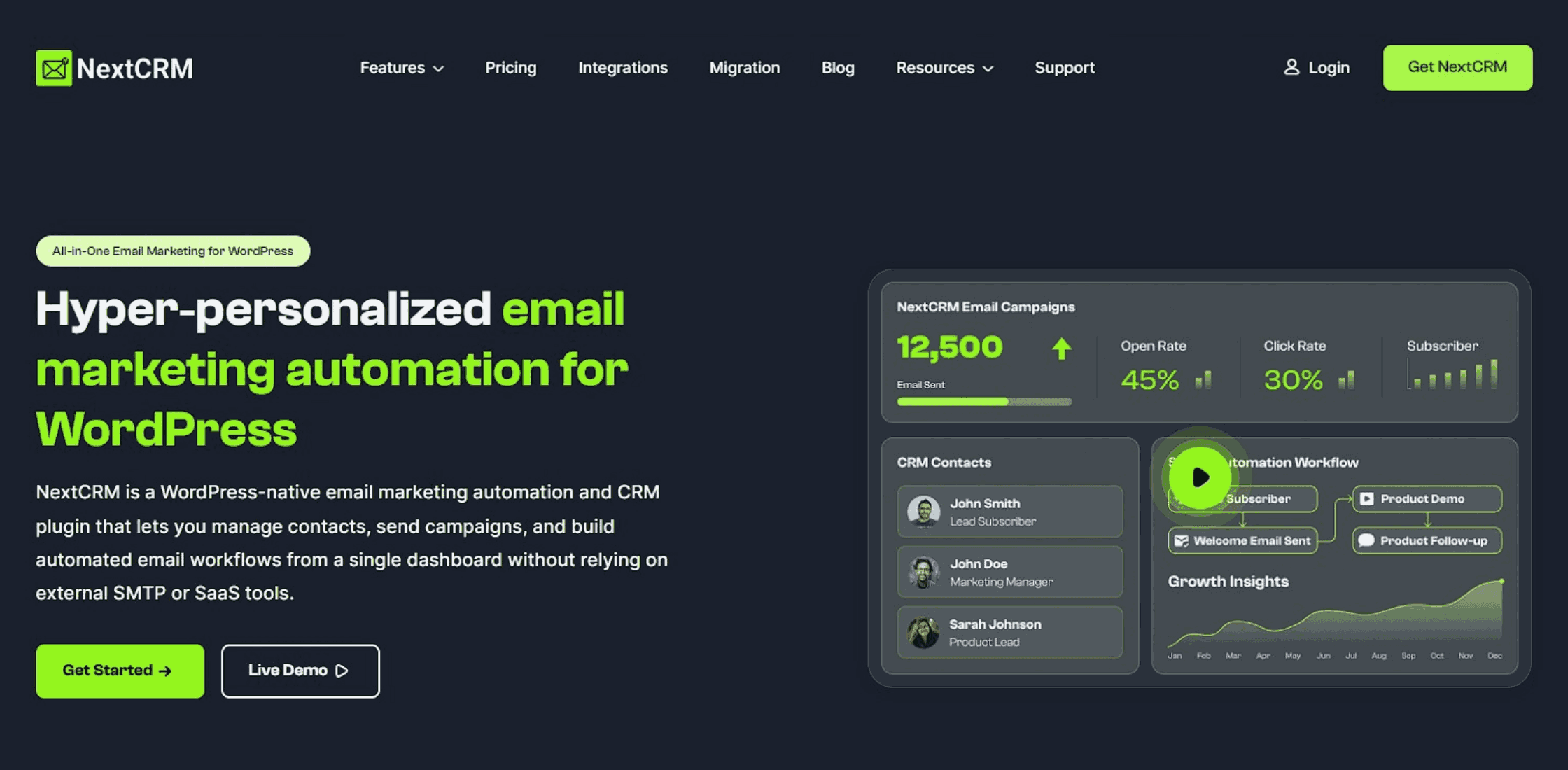
NextCRM approaches marketing automation differently than traditional SaaS platforms.
Instead of moving customer information into another external system, NextCRM keeps customer data, segmentation, automation, and behavioral tracking directly inside WordPress.
This creates several advantages:
- Better ecosystem control
- Stronger WooCommerce visibility
- Native LMS integrations
- First-party data ownership
- Predictable long-term scalability
For businesses already operating inside WordPress, this approach often provides a more cohesive marketing infrastructure.
If you’re evaluating WordPress-native marketing solutions, you may also find our guide to FluentCRM alternatives useful for comparing other popular options in the WordPress ecosystem.
Likewise, businesses building a complete email marketing stack should review our WordPress email marketing guide, which covers deliverability, segmentation, automation, and behavioral targeting strategies in greater detail.
NextCRM Review — Best ActiveCampaign Alternative for WordPress Businesses
NextCRM is a WordPress-native CRM and marketing automation platform designed for businesses that want complete ownership of customer data, automations, audience segmentation, and behavioral intelligence.
Many ActiveCampaign alternatives attempt to solve the same problem using a different SaaS platform.
NextCRM takes a fundamentally different approach.
Instead of moving customer records into another external marketing system, NextCRM allows businesses to manage contacts, campaigns, automations, behavioral tracking, and customer journeys directly inside WordPress.
For WordPress businesses, this distinction can significantly impact costs, visibility, and long-term flexibility.
Why Businesses Choose NextCRM Instead of ActiveCampaign
Businesses typically choose NextCRM for four reasons.
They Want Customer Data Inside WordPress
Customer data powers every aspect of modern marketing.
It influences:
- Segmentation
- Personalization
- Automation
- Revenue attribution
- Customer intelligence
Many businesses prefer keeping this information within their own WordPress environment rather than storing it entirely within a third-party SaaS platform.
This approach improves visibility and reduces dependency on external systems.
They Want Marketing Intelligence Beyond Opens and Clicks
Traditional email marketing platforms often focus heavily on:
- Opens
- Clicks
- Campaign performance
These metrics remain useful.
However, they rarely tell the full customer story.
Modern marketers increasingly want visibility into:
- Product interest
- Pricing page visits
- Content engagement
- Funnel progression
- Purchase intent
This is where Marketing Intelligence becomes valuable.
They Want More Predictable Long-Term Costs
One of the biggest frustrations businesses experience with marketing automation platforms is cost scaling.
As subscriber databases grow, costs often increase significantly.
This is the foundation of Database Inflation Cost™ discussed earlier.
Because NextCRM uses a license-based model rather than contact-based pricing, businesses gain greater predictability as customer databases expand.
They Want Infrastructure Sovereignty
Infrastructure Sovereignty is becoming increasingly important in the AI era.
Businesses want control over:
- Customer records
- Tracking systems
- Automation logic
- Behavioral data
- Marketing history
Instead of relying entirely on vendor-controlled infrastructure, NextCRM enables businesses to maintain ownership of critical marketing assets.
Core Features of NextCRM
NextCRM combines CRM, marketing automation, behavioral tracking, segmentation, forms, popups, and customer intelligence inside a single WordPress-native platform.
This allows businesses to manage customer journeys without assembling multiple disconnected tools.
CRM and Contact Management
NextCRM provides centralized contact management with:
- Customer profiles
- Lists
- Tags
- Segments
- Activity timelines
- Custom fields
This creates a unified customer view across marketing activities.
Email Marketing Automation
The automation builder supports:
- Workflow triggers
- Conditional logic
- Delays
- Multi-step sequences
- Behavioral actions
- Dynamic segmentation
Businesses can create:
- Welcome sequences
- Lead nurturing campaigns
- Cart recovery workflows
- Customer onboarding journeys
- Re-engagement campaigns
Forms and Lead Capture
NextCRM includes:
- Embedded forms
- Popups
- Lead generation tools
- Automated tagging
- Contact synchronization
This allows businesses to collect and organize customer information directly inside WordPress.
AI-Powered Campaign Creation
Modern marketing teams increasingly use AI to accelerate campaign production.
NextCRM includes AI-assisted tools for:
- Subject lines
- Campaign content
- Marketing copy
- Content generation
This helps reduce production time while maintaining personalization.
Marketing Intelligence vs Traditional Email Analytics
Marketing Intelligence is one of the biggest differences between NextCRM and traditional marketing automation platforms.
Most email platforms answer questions like:
- Did someone open an email?
- Did someone click a link?
Marketing Intelligence answers questions like:
- Which products did they view?
- Which pricing pages generated interest?
- Which content indicates buying intent?
- Which actions suggest future purchases?
This shift from engagement metrics to behavioral intelligence represents a major evolution in marketing automation.
Why Behavioral Data Matters More Than Opens
Email opens have become less reliable due to:
- Privacy protections
- Email client changes
- Tracking limitations
Behavioral actions provide much stronger intent signals.
Examples include:
- Viewing product pages
- Returning to pricing pages
- Completing lessons
- Visiting checkout pages
- Repeated content consumption
These actions often indicate purchase readiness more accurately than open rates.
Marketing Intelligence Creates Better Segmentation
Behavior-based segmentation allows businesses to target customers using real-world actions.
Examples include:
- Visitors who viewed pricing pages
- Customers who abandoned checkout
- Users who completed specific LMS lessons
- Customers interested in particular products
This often produces more relevant campaigns and stronger conversion rates.
Why NextCRM Is Different From Traditional ActiveCampaign Alternatives
Most ActiveCampaign alternatives replace one SaaS platform with another SaaS platform.
NextCRM takes a different approach.
Instead of replacing ActiveCampaign with another external system, it brings customer intelligence directly into WordPress.
This creates advantages that many SaaS competitors cannot easily replicate.
Customer Data Stays Inside WordPress
WordPress remains the operational center for many businesses.
When customer information stays within the same ecosystem, businesses gain:
- Better visibility
- Reduced complexity
- Greater flexibility
This becomes particularly valuable for WooCommerce and LMS websites.
Marketing Intelligence Is Built Into the Customer Journey
Many platforms track email interactions.
NextCRM tracks broader customer behavior.
Businesses can understand:
- What customers viewed
- What they ignored
- Where they dropped off
- Which actions indicate buying intent
This creates a richer understanding of customer journeys.
Infrastructure Sovereignty Becomes Possible
Infrastructure Sovereignty is difficult to achieve when customer data lives entirely inside third-party platforms.
Because NextCRM operates within WordPress, businesses maintain greater ownership of:
- Customer records
- Behavioral data
- Automation history
- Marketing assets
This is becoming increasingly important as privacy regulations and AI-driven personalization continue evolving.
Cost Scaling Is More Predictable
Contact-based pricing models often create budgeting challenges.
As databases grow, costs can increase rapidly.
License-based pricing creates a more predictable growth path.
This makes long-term planning easier for growing businesses.
NextCRM for WooCommerce Stores
WooCommerce businesses often require deeper behavioral visibility than traditional email platforms provide.
Customer journeys frequently involve:
- Product views
- Category browsing
- Cart activity
- Purchase history
- Repeat purchases
Understanding these actions allows businesses to create more personalized automations.
Example WooCommerce Use Cases
NextCRM can help automate:
- Abandoned cart recovery
- Product interest follow-ups
- Customer win-back campaigns
- Cross-sell recommendations
- Repeat purchase reminders
These workflows allow ecommerce businesses to engage customers based on real behavior rather than generic email engagement.
NextCRM for LMS and Membership Websites
Learning platforms require different automation strategies than ecommerce businesses.
Course creators often need visibility into:
- Course enrollment
- Lesson completion
- Quiz results
- Learning progress
- Student engagement
Traditional email platforms rarely provide these insights natively.
LMS Automation Examples
Businesses can create automations based on:
- Course enrollment
- Course completion
- Lesson completion
- Learning inactivity
- Certification milestones
This creates highly personalized educational journeys.
ActiveCampaign vs NextCRM
ActiveCampaign and NextCRM solve marketing automation from fundamentally different strategic perspectives.
ActiveCampaign prioritizes SaaS convenience.
NextCRM prioritizes ownership, WordPress integration, and behavioral intelligence.
Who Should Choose ActiveCampaign?
ActiveCampaign remains a strong choice for businesses that:
- Prefer fully managed SaaS software
- Need a mature automation ecosystem
- Do not require WordPress-native workflows
Who Should Choose NextCRM?
NextCRM is often a stronger choice for businesses that:
- Run WordPress websites
- Use WooCommerce
- Operate LMS platforms
- Prioritize data ownership
- Want Marketing Intelligence
- Prefer predictable cost scaling
If you’re researching WordPress marketing automation platforms, our guide to WordPress email marketing provides additional strategies for improving deliverability, segmentation, and automation performance.
Similarly, businesses comparing multiple WordPress-native solutions should review our detailed comparison of FluentCRM alternatives for a broader market perspective.
CARE Framework™ Evaluation
| Category | Rating |
| Cost Scalability | Excellent |
| Automation Depth | Excellent |
| Reach Channels | Excellent |
| Ecosystem Control | Excellent |
NextCRM scores particularly well because it combines automation depth, behavioral intelligence, and ecosystem control within a single WordPress-native environment.
HubSpot — Best ActiveCampaign Alternative for Enterprise CRM
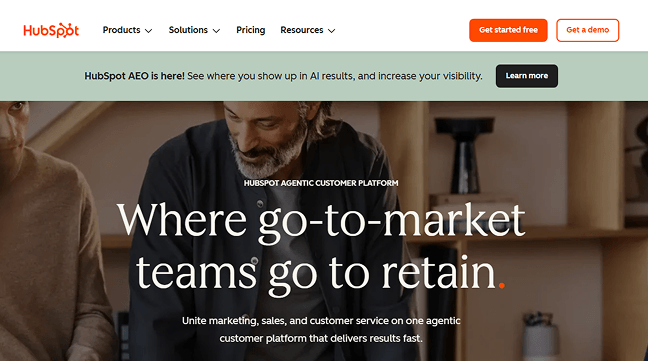
HubSpot is one of the most comprehensive CRM and marketing platforms available for growing B2B and enterprise organizations.
Unlike traditional email marketing tools, HubSpot combines:
- CRM
- Marketing automation
- Sales pipelines
- Customer service
- Reporting
- Revenue attribution
inside a unified ecosystem.
Key Features
- Enterprise CRM
- Marketing automation
- Lead scoring
- Sales automation
- Landing pages
- AI-powered content tools
- Customer service management
Why Businesses Choose HubSpot
Organizations often choose HubSpot when marketing and sales teams need a shared customer database.
This creates better alignment between:
- Marketing
- Sales
- Customer success
- Operations
Pricing Considerations
HubSpot offers a low-cost entry point.
However, advanced automation and larger databases can become expensive.
Businesses should carefully evaluate:
- Contact growth
- Team size
- Required automation features
before committing to long-term adoption.
Best For
- Enterprise organizations
- SaaS companies
- B2B sales teams
CARE Framework™ Evaluation
| Category | Rating |
| Cost Scalability | Moderate |
| Automation Depth | Excellent |
| Reach Channels | Strong |
| Ecosystem Control | Strong |
Brevo — Best Budget-Friendly ActiveCampaign Alternative
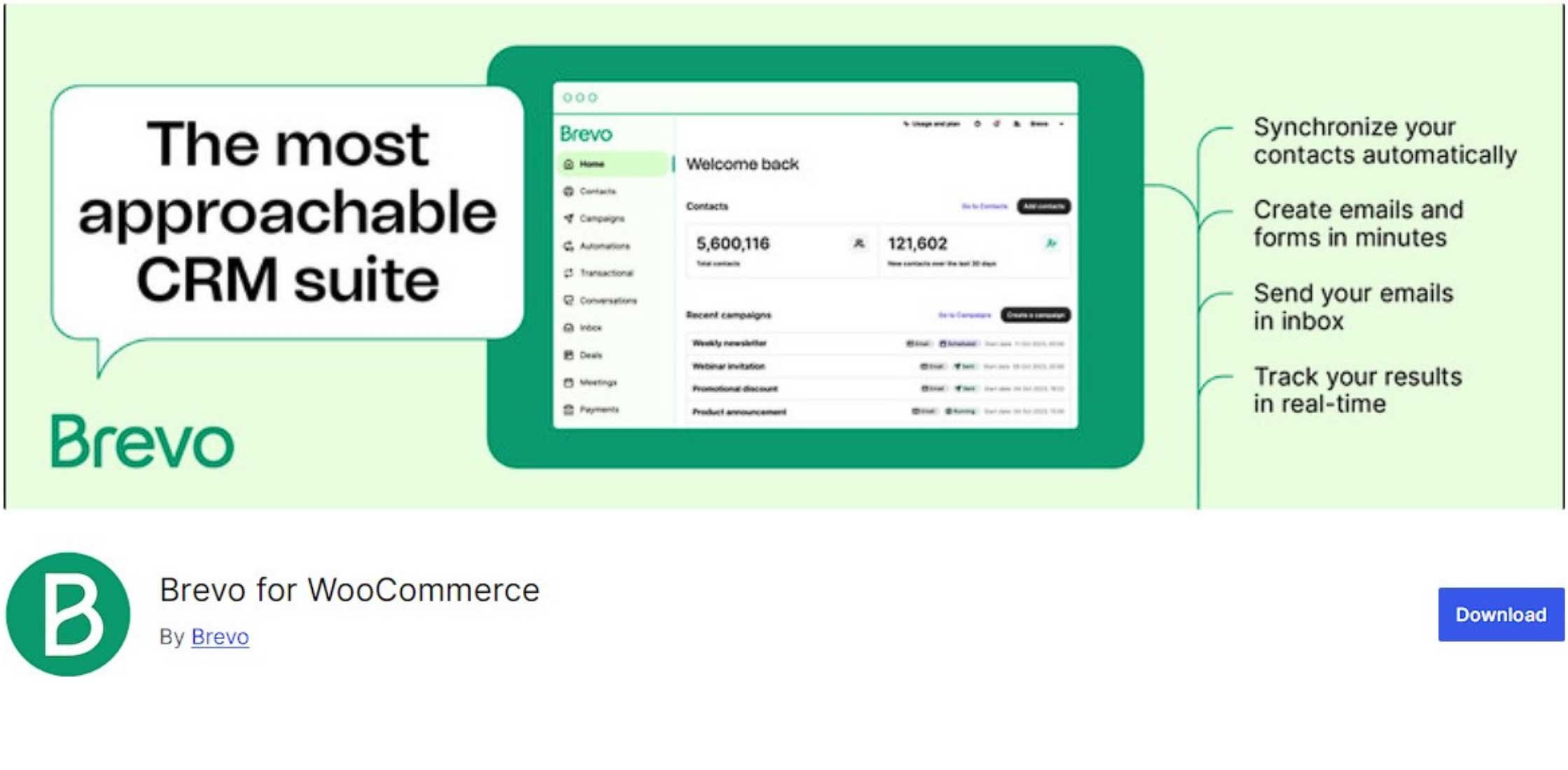
Brevo delivers strong marketing automation capabilities while maintaining one of the most affordable pricing structures in the market.
Unlike many competitors, Brevo focuses heavily on email volume rather than contact count.
This creates significant savings for businesses with large subscriber databases.
Key Features
- Email marketing
- SMS campaigns
- CRM
- Automation workflows
- Transactional emails
- Landing pages
Why Businesses Choose Brevo
Brevo works particularly well for businesses that:
- Have large contact databases
- Send emails less frequently
- Need transactional email support
- Want predictable pricing
Best For
- Startups
- Small businesses
- Budget-conscious organizations
CARE Framework™ Evaluation
| Category | Rating |
| Cost Scalability | Excellent |
| Automation Depth | Strong |
| Reach Channels | Strong |
| Ecosystem Control | Moderate |
MailerLite — Best ActiveCampaign Alternative for Simplicity
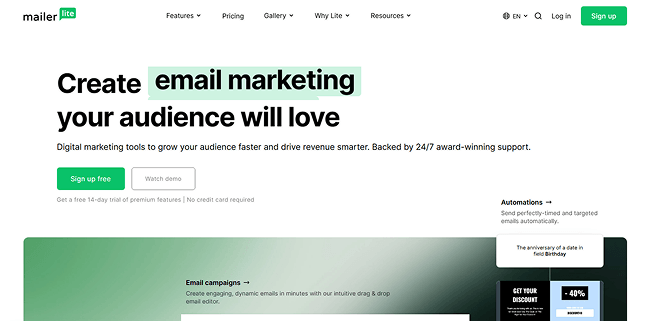
MailerLite is ideal for businesses that want effective email marketing without enterprise-level complexity.
Many organizations don’t need hundreds of automation triggers.
They need software that is easy to learn and execute.
Key Features
- Email campaigns
- Automation
- Landing pages
- Forms
- Subscriber management
Why Businesses Choose MailerLite
We’ve consistently observed that smaller businesses often achieve better results using simpler systems that they fully implement rather than complex platforms they only partially use.
MailerLite excels at reducing operational friction.
Best For
- Bloggers
- Creators
- Small businesses
- Newsletter publishers
CARE Framework™ Evaluation
| Category | Rating |
| Cost Scalability | Strong |
| Automation Depth | Moderate |
| Reach Channels | Moderate |
| Ecosystem Control | Moderate |
Klaviyo — Best ActiveCampaign Alternative for Ecommerce
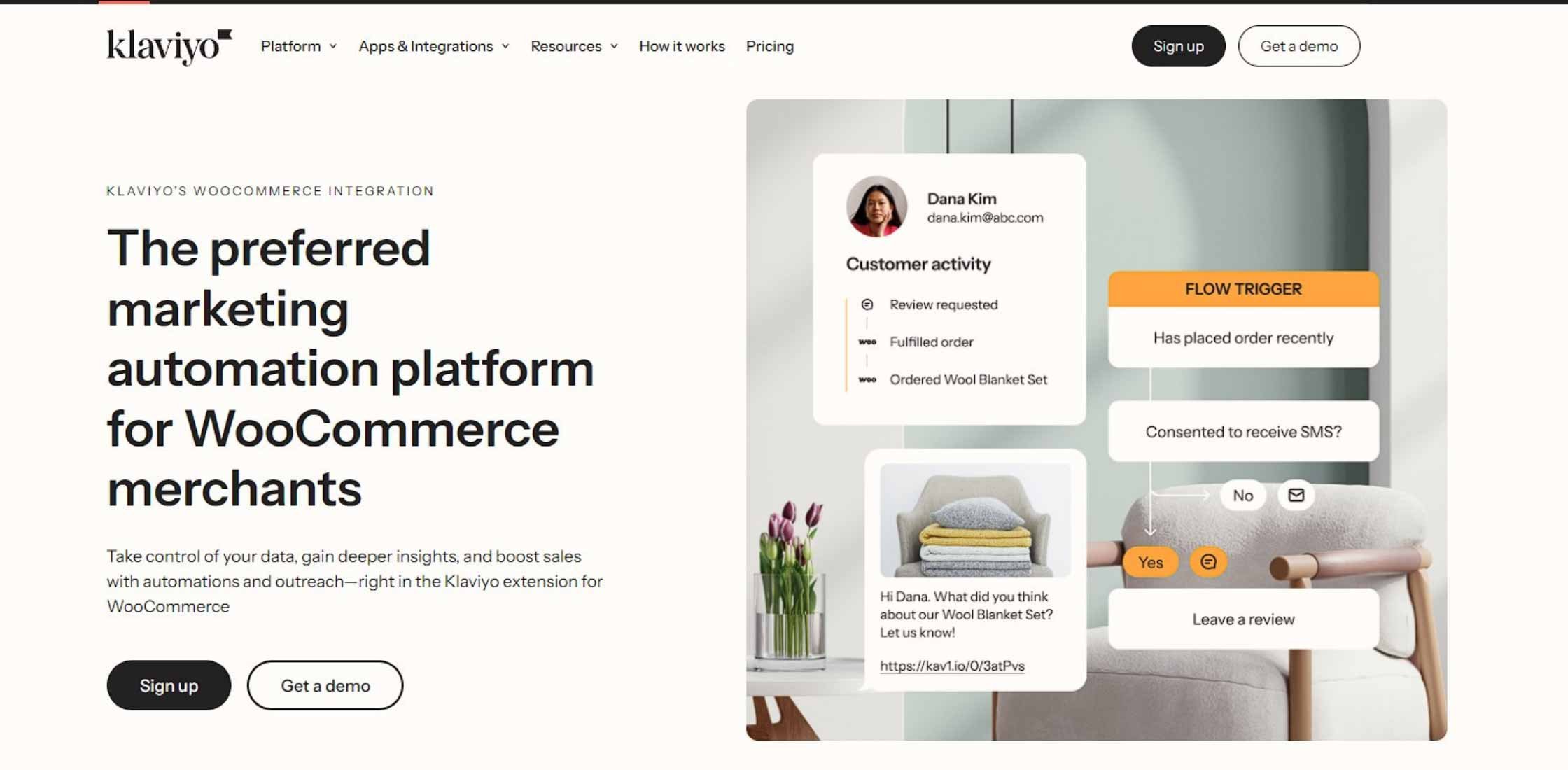
Klaviyo is one of the strongest ecommerce marketing platforms available today.
Unlike general-purpose marketing automation software, Klaviyo focuses heavily on customer purchasing behavior.
Key Features
- Ecommerce automation
- SMS marketing
- Predictive analytics
- Customer lifetime value tracking
- Revenue attribution
- Product recommendations
Why Ecommerce Brands Choose Klaviyo
Ecommerce businesses often generate more value from:
- Product views
- Purchase history
- Cart activity
- Repeat purchases
than traditional email engagement metrics.
Klaviyo specializes in these behavioral signals.
Best For
- WooCommerce stores
- Shopify stores
- Ecommerce brands
CARE Framework™ Evaluation
| Category | Rating |
| Cost Scalability | Moderate |
| Automation Depth | Excellent |
| Reach Channels | Strong |
| Ecosystem Control | Strong |
Omnisend — Best for Multi-Channel Ecommerce Automation
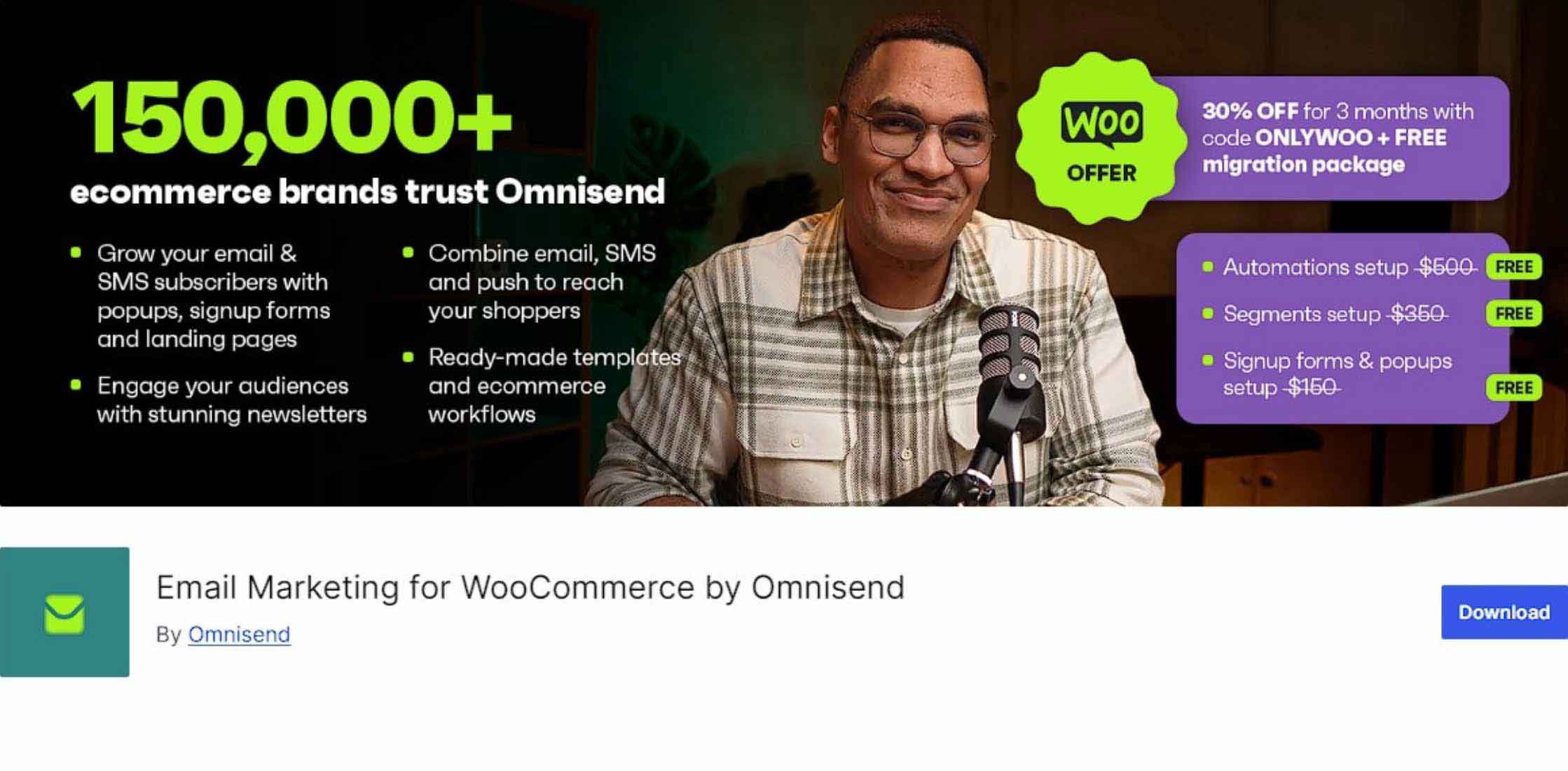
Omnisend combines email, SMS, and push notifications into a platform built specifically for online retailers.
Its greatest strength is simplicity.
Many ecommerce stores can launch high-performing automation workflows quickly without extensive technical expertise.
Key Features
- Email marketing
- SMS
- Push notifications
- Product recommendations
- Ecommerce automation
Why Businesses Choose Omnisend
Omnisend focuses heavily on revenue-generating automations such as:
- Cart abandonment
- Product abandonment
- Welcome series
- Customer reactivation
Best For
- Ecommerce businesses
- DTC brands
- Growing online stores
CARE Framework™ Evaluation
| Category | Rating |
| Cost Scalability | Strong |
| Automation Depth | Strong |
| Reach Channels | Excellent |
| Ecosystem Control | Strong |
GetResponse — Best All-in-One Marketing Platform
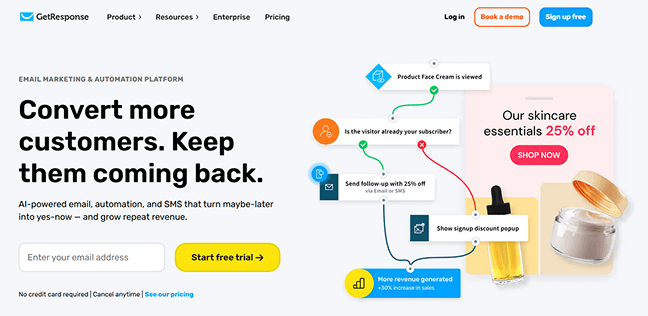
GetResponse combines email marketing, webinars, funnels, landing pages, and automation within a single platform.
This makes it attractive for businesses that want multiple marketing tools in one ecosystem.
Key Features
- Email marketing
- Webinar hosting
- Landing pages
- Funnels
- Automation
- AI content tools
Why Businesses Choose GetResponse
Businesses often choose GetResponse when they want to reduce the number of software subscriptions required to run marketing campaigns.
Best For
- Coaches
- Educators
- SaaS companies
- Webinar-focused businesses
CARE Framework™ Evaluation
| Category | Rating |
| Cost Scalability | Strong |
| Automation Depth | Strong |
| Reach Channels | Strong |
| Ecosystem Control | Moderate |
Mailchimp — Best ActiveCampaign Alternative for Beginners
Mailchimp remains one of the most accessible email marketing platforms for beginners.
Its popularity stems from:
- Ease of use
- Brand recognition
- Extensive integrations
Key Features
- Email campaigns
- Customer journeys
- Audience management
- Reporting
Why Businesses Choose Mailchimp
Many organizations launch their first email marketing campaigns using Mailchimp because onboarding is straightforward.
However, growing businesses often migrate later when automation requirements become more sophisticated.
Best For
- Beginners
- Small businesses
- New email marketers
CARE Framework™ Evaluation
| Category | Rating |
| Cost Scalability | Moderate |
| Automation Depth | Moderate |
| Reach Channels | Moderate |
| Ecosystem Control | Moderate |
HighLevel — Best ActiveCampaign Alternative for Agencies
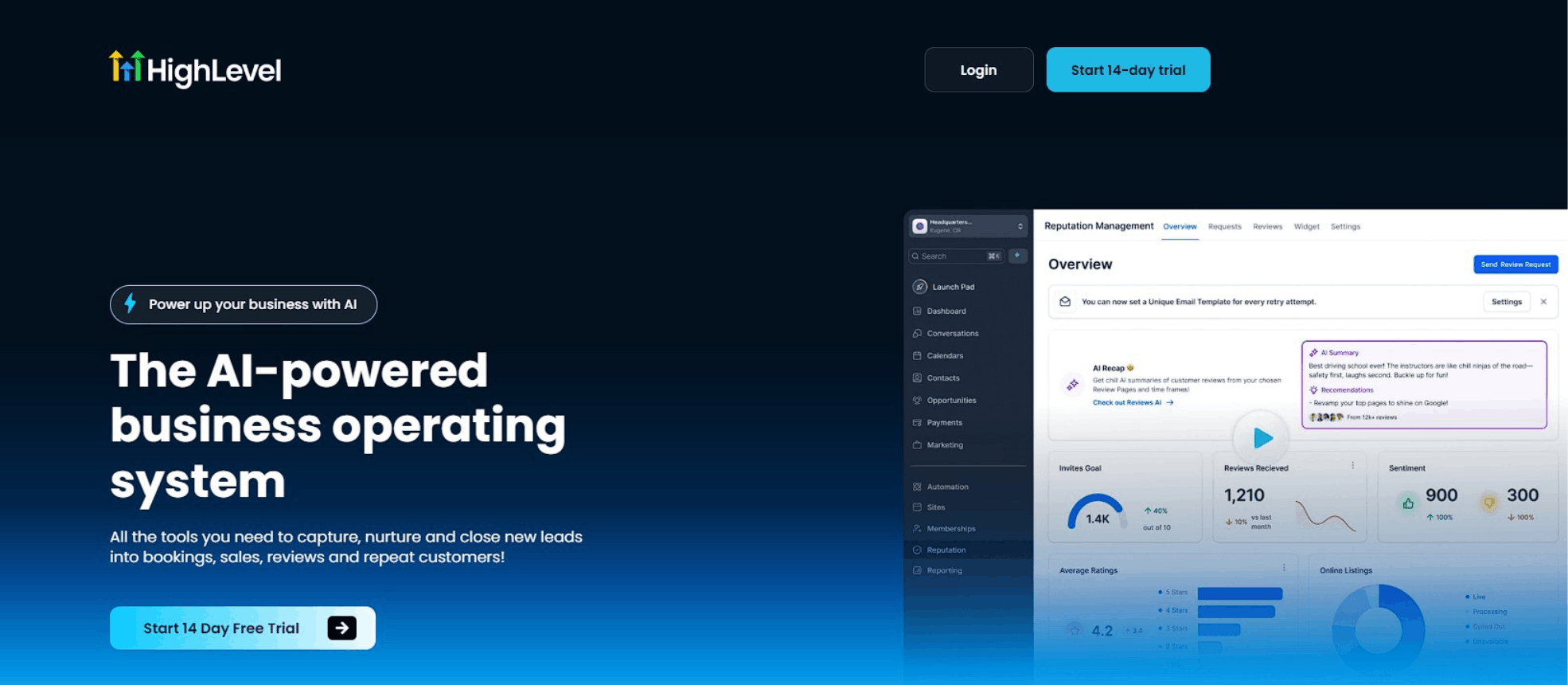
HighLevel is purpose-built for agencies managing multiple clients and marketing campaigns.
Unlike traditional email marketing platforms, HighLevel focuses heavily on agency operations.
Key Features
- CRM
- Automation
- Funnels
- Appointment booking
- White-label capabilities
- SMS marketing
Why Agencies Choose HighLevel
Agencies often need:
- Multiple client accounts
- White-label branding
- Multi-location management
- Client reporting
HighLevel addresses these requirements effectively.
Best For
- Agencies
- Consultants
- Service providers
CARE Framework™ Evaluation
| Category | Rating |
| Cost Scalability | Strong |
| Automation Depth | Excellent |
| Reach Channels | Excellent |
| Ecosystem Control | Strong |
Which ActiveCampaign Alternative Should You Choose?
The best ActiveCampaign alternative depends on your business model, infrastructure goals, and customer data strategy.
| Business Type | Recommended Platform | Primary Reason |
| WordPress Business | NextCRM | Ownership & Marketing Intelligence |
| WooCommerce Store | NextCRM or Klaviyo | Behavioral Segmentation |
| LMS Business | NextCRM | Course-Based Automation |
| Enterprise CRM | HubSpot | Sales & Marketing Alignment |
| Budget-Friendly Growth | Brevo | Cost Scalability |
| Creator Business | MailerLite | Simplicity |
| Agency | HighLevel | Client Management |
| Ecommerce Brand | Klaviyo | Revenue Attribution |
Real-World Recommendation
If your business runs primarily on WordPress, NextCRM is usually the strongest long-term alternative because customer data, automations, segmentation, and behavioral intelligence remain within the same ecosystem.
For businesses already investing heavily in WooCommerce, our guide to the best email marketing tools for WooCommerce provides a deeper comparison of ecommerce-focused platforms.
How to Migrate From ActiveCampaign
A successful migration preserves contacts, segmentation, automations, and deliverability.
Step 1: Audit Your Contact Database
Review:
- Active subscribers
- Inactive subscribers
- Duplicate contacts
- Invalid email addresses
Cleaning your database before migration improves future deliverability.
Step 2: Export Contacts and Segments
Export:
- Contacts
- Lists
- Tags
- Custom fields
- Segments
Preserving structure makes migration easier.
Step 3: Rebuild Automations
Migration creates an opportunity to simplify complex workflows.
Focus on:
- Revenue-generating automations
- Customer onboarding
- Behavioral workflows
rather than recreating every historical automation.
Step 4: Verify Tracking
Confirm:
- Ecommerce tracking
- Behavioral tracking
- Conversion attribution
- Automation triggers
before launching campaigns.
Frequently Asked Questions
What is the best ActiveCampaign alternative in 2026?
The best alternative depends on your needs. For WordPress businesses, NextCRM offers one of the strongest combinations of CRM, automation, behavioral tracking, and customer ownership.
Which ActiveCampaign alternative is best for WordPress?
NextCRM is one of the strongest WordPress-native alternatives because it keeps customer data, automations, and behavioral intelligence directly inside WordPress.
Is there a cheaper alternative to ActiveCampaign?
Brevo and MailerLite often provide lower long-term costs, especially for businesses with growing contact databases.
Which ActiveCampaign alternative is best for WooCommerce?
NextCRM and Klaviyo are both strong options depending on whether you prioritize ownership and WordPress integration or ecommerce-specific SaaS automation.
Can I migrate from ActiveCampaign without losing contacts?
Yes. Most platforms support importing contacts, custom fields, tags, and segments using CSV files.
What is Database Inflation Cost™?
Database Inflation Cost™ occurs when software costs increase because subscriber databases grow faster than customer engagement.
What is Infrastructure Sovereignty?
Infrastructure Sovereignty refers to maintaining control over customer data, automation systems, tracking infrastructure, and marketing assets without relying entirely on third-party vendors.
Key Takeaways
- Marketing automation adoption continues growing rapidly through 2026.
- Email marketing remains one of the highest-ROI digital channels.
- Contact-based pricing can become expensive as databases grow.
- Behavioral intelligence is increasingly replacing simple open-rate reporting.
- Infrastructure Sovereignty and first-party data ownership are becoming strategic advantages.
- WordPress businesses often benefit from keeping customer data and marketing operations inside the same ecosystem.
Final Verdict
The best ActiveCampaign alternative is the platform that aligns most closely with your business model, growth strategy, and data ownership requirements.
ActiveCampaign remains a strong marketing automation platform.
However, many businesses are now prioritizing:
- Customer ownership
- Behavioral intelligence
- Infrastructure control
- Predictable cost scaling
over traditional feature comparisons.
If you need enterprise CRM functionality, HubSpot remains a leading choice.
If ecommerce automation is your primary focus, Klaviyo and Omnisend offer powerful capabilities.
If affordability matters most, Brevo and MailerLite provide excellent value.
For WordPress businesses, however, the conversation extends beyond email marketing.
It becomes a discussion about ecosystem control, Marketing Intelligence, customer visibility, automation flexibility, and long-term ownership.
According to the CARE Framework™, the strongest marketing platform is not the one with the most features.
It is the platform that delivers the best balance between:
- Cost Scalability
- Automation Depth
- Reach Channels
- Ecosystem Control
For businesses operating inside WordPress, NextCRM delivers that balance particularly well by combining CRM, automation, behavioral intelligence, and customer ownership within a single platform.
Sources & References
The statistics, pricing information, and market insights referenced throughout this article were sourced from publicly available industry reports and vendor documentation available at the time of writing.
Industry Research
- Mordor Intelligence – Marketing Automation Software Market Report
https://www.mordorintelligence.com/industry-reports/global-marketing-automation-software-market-industry - EmailMonday – Email Marketing Statistics
https://www.emailmonday.com/email-marketing-statistics/
Platform Pricing & Product Information
- ActiveCampaign Pricing
https://www.activecampaign.com/pricing - HubSpot Marketing Hub Pricing
https://www.hubspot.com/pricing/marketing - Brevo Pricing
https://www.brevo.com/pricing/ - MailerLite Pricing
https://www.mailerlite.com/pricing - Klaviyo Pricing
https://www.klaviyo.com/pricing - Omnisend Pricing
https://www.omnisend.com/pricing/ - GetResponse Pricing
https://www.getresponse.com/pricing - Mailchimp Pricing
https://mailchimp.com/pricing/ - HighLevel Pricing
https://www.gohighlevel.com/pricing
Related Resources
- Best Omnisend Alternatives
https://getnextcrm.com/blog/omnisend-alternatives/ - WordPress Email Marketing Guide
https://getnextcrm.com/blog/wordpress-email-marketing-guide/ - Best Email Marketing Tools for WooCommerce
https://getnextcrm.com/blog/best-email-marketing-tools-for-woocommerce/ - WordPress Emails Going to Spam
https://getnextcrm.com/blog/wordpress-emails-going-to-spam/